Why your AI only gives you half the answer
 TJ Coyle, Co-founder and CEO·4 min read
Two years ago I didn't trust AI with anything important. Bad answers and hallucinations felt like proof it wasn't ready. Everything it produced needed an asterisk.
I was wrong about where the asterisk was.
Models got better, a lot better. But the problem was never the AI. It was the mindset. AI is still garbage in, garbage out. Just because it's the most advanced technology we've seen in decades doesn't make it a mind reader. If you expect it to guess what your business looks like, you've set it up to fail.
Here's the line I'd put on the wall of every company buying AI seats right now:
You're paying for half truths when you already have the whole answer.
Where the other half goes
Your company already has the answers. They're in the CRM, the help desk, the finance system, the ERP on the server in the back room, and the folder nobody opens.
What your AI gets is a slice of that. Usually it goes like this.
Someone connects whatever MCP server their tools offer. The CRM has one, so the CRM gets connected. Then a question comes up that needs the ERP, and they don't have a login for it. So they ask Mike. Mike exports something and sends it in Teams. They paste it into the chat.
A week later the same question comes up. Instead of a fresh export, they paste in the same file Mike sent last week. It's already out of date.
And maybe the question was a bit vague, so the AI only reached for the CRM and never looked at the other three systems, or worked out how their records relate. Maybe the answer even looks good.
That's the half truth. The data from Mike isn't really theirs: they don't know what it is, how it changes or what good looks like. So they accept it.
Why it's hard to see
None of this looks broken from the inside. Every person on the team got faster at their own work. The answers sound confident. Nobody gets an error message saying "this answer is missing your ERP".
The gap only shows up when two people ask the same question and get different numbers, or when someone acts on an answer and finds out later what it didn't know.
Teams didn't fail at AI. The tools were set up one seat at a time, each with its own corner of the business, and nobody's job was to connect the corners.
What the whole answer takes
Three things, and none of them is a better model.
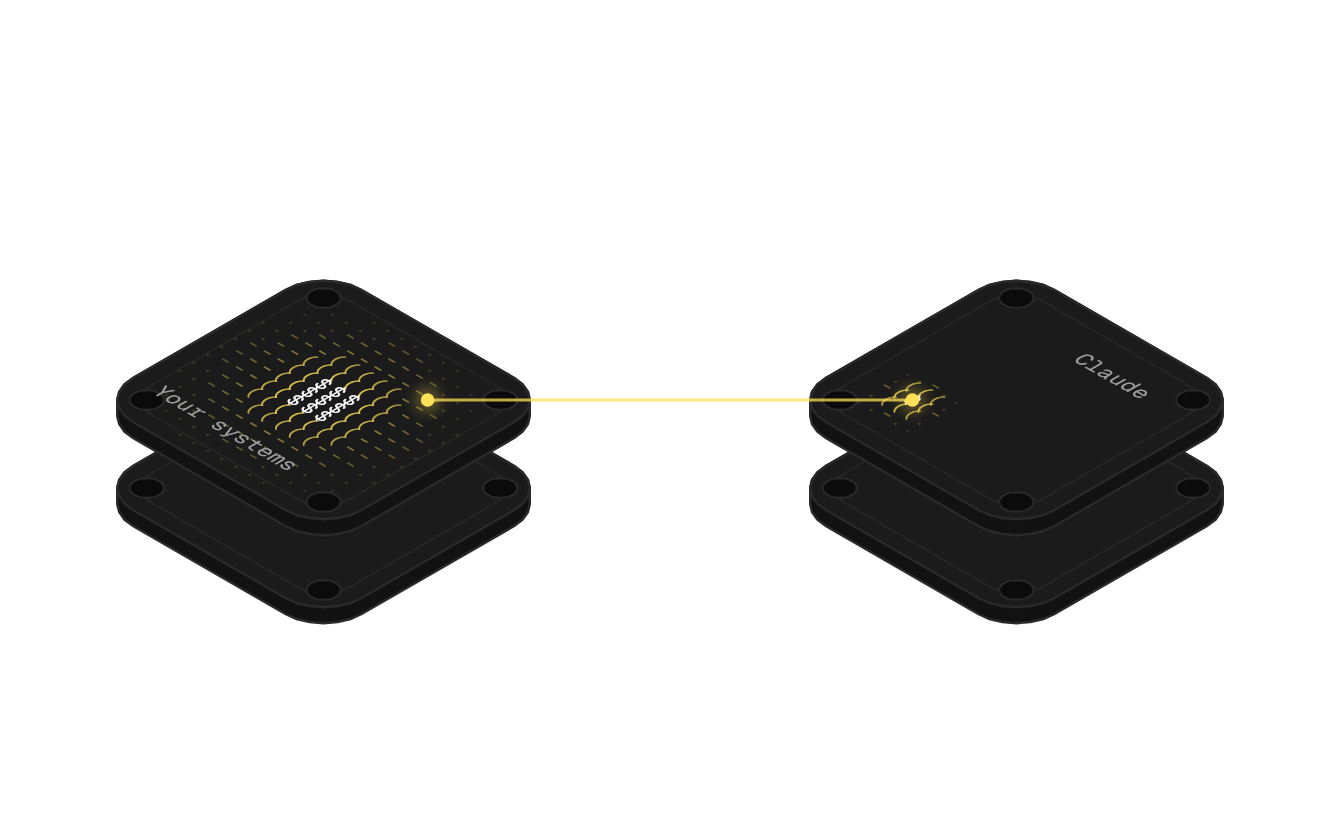
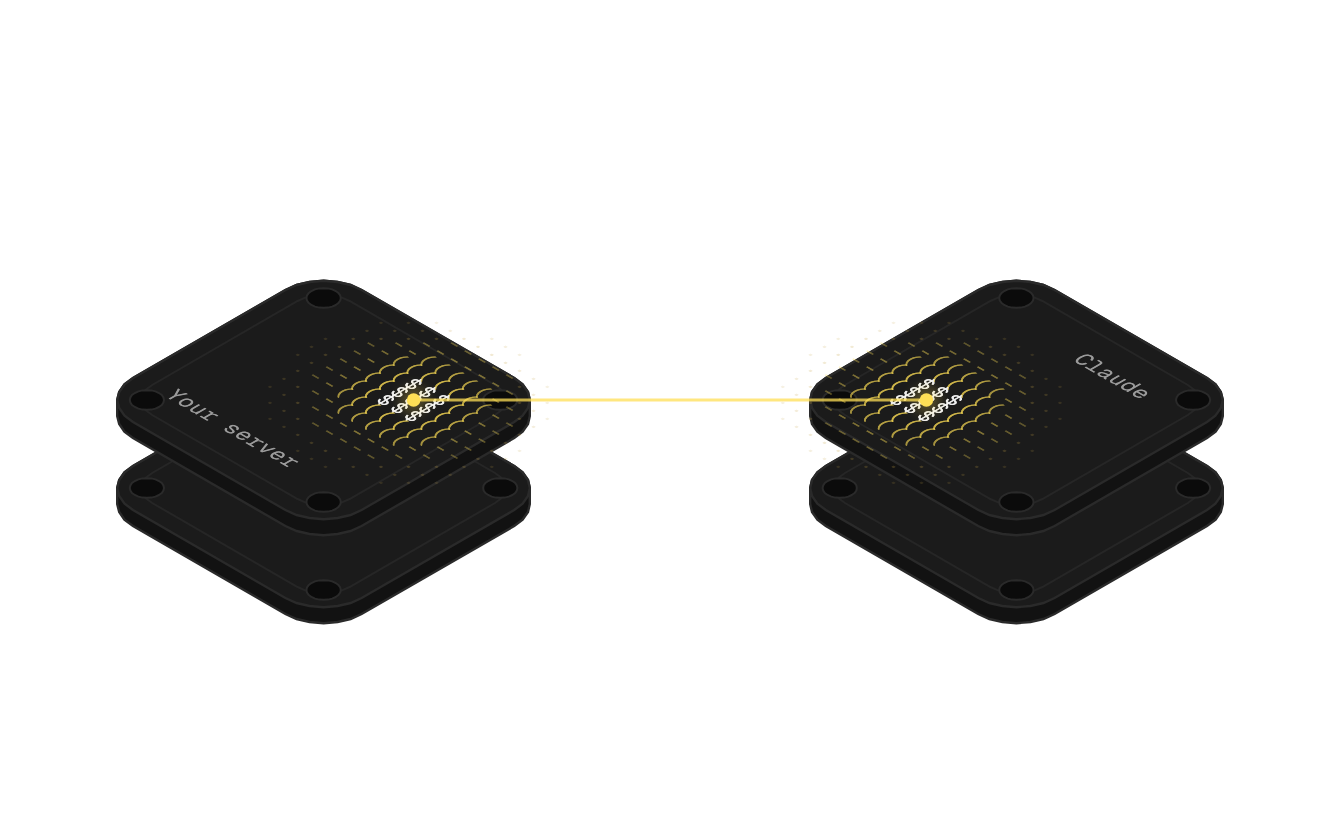
Reach the systems that hold the answer, including the ones with no connector. If your ERP sits on a server in the office, the AI has to be able to reach it, safely and read-only.
Keep it current. A pasted export is out of date when it lands. The data has to refresh on a schedule you set, so next week's question gets next week's numbers.
Know how it fits together. The same customer is "Acme", "ACME Inc." and account 10442 in three systems. The AI needs to know those are one customer, and it needs a plain description of what your business is.
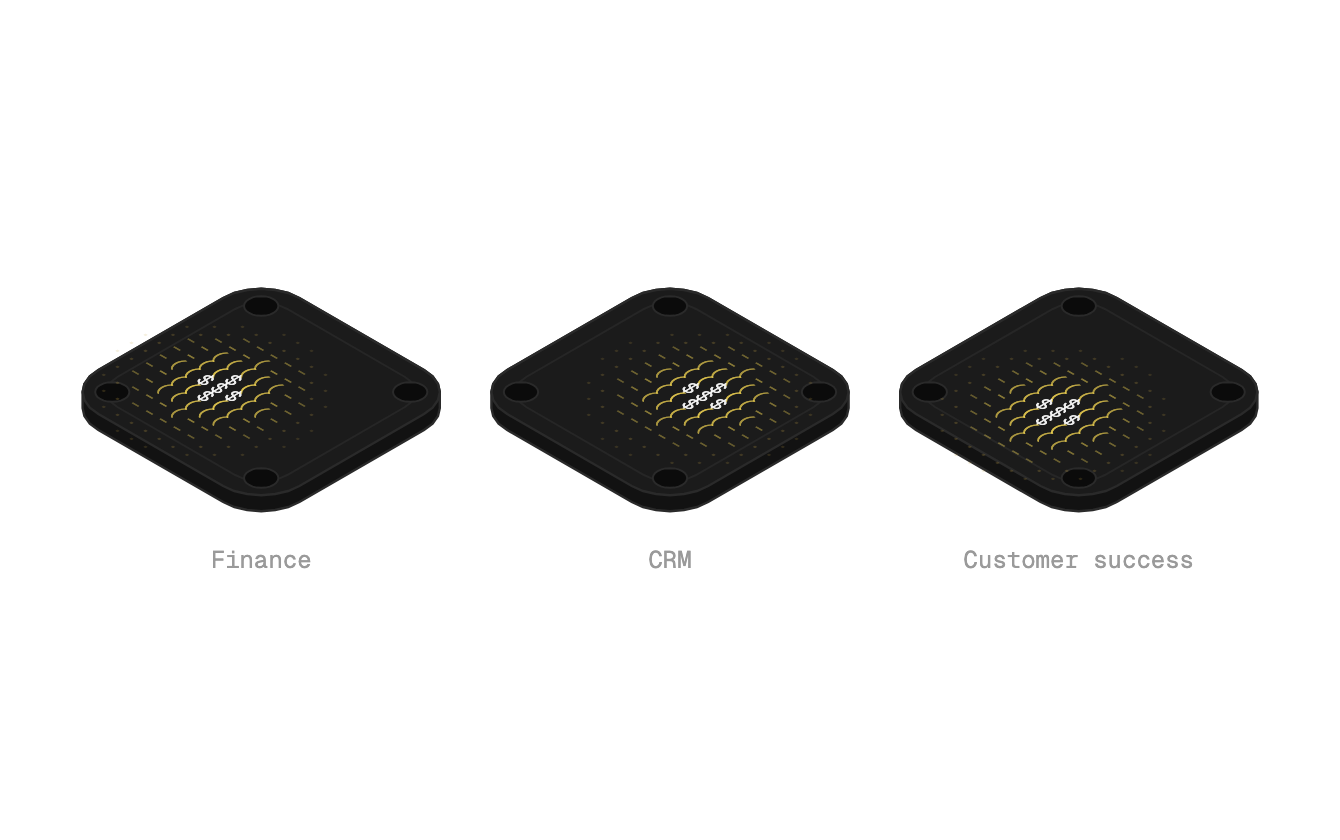
That's what we built altspark to do. You connect your systems, including the ones on your own network. altspark keeps the data current, links the records across systems, and gives every project its own MCP server your team adds to Claude, ChatGPT or any AI tool that supports MCP.
The limit, plainly: "whole" means the systems you've connected. A system with no API, database, files or email to read from stays out of reach, and we'll tell you that up front.
What this looks like in your seat
If you run the company, "why did we miss this month?" gets an answer built from every system you've connected, with the records behind it, rather than from whichever tool was plugged in first.
If you run operations, the project's knowledge file gives the AI your definition, in your words, so it isn't left to guess what "active customer" means to you.
If you run finance, the ERP on the office server stops being the one system the AI can't see.
If you hold the credentials, the connection opens from your side, databases are read-only, and roles decide who sees which data.
The asterisk was in the data
I spent a long time blaming the model for answers that came back half done. The model was doing its best with half the picture. And the technical person in me likes to see the work: the answer comes with the SQL that produced it, so you can run it again.
You already have the whole answer. Your AI just hasn't been given it.